Understanding Data Transfer: How It Powers Your Everyday Digital Interactions
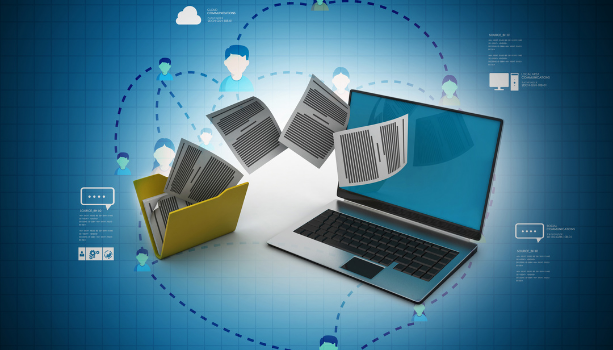
Understanding Data Transfer is essential in today's digital age, as it influences how we connect, communicate, and consume information online. Every time you send an email, stream a video, or browse a website, data is transferred between your device and servers across the globe. This process is made possible through various technologies, including network protocols, which ensure that data packets move efficiently and accurately. The speed and reliability of these transfers significantly impact your user experience, making the understanding of data transfer not just a technical concept but a vital aspect of our daily interactions.
Moreover, data transfer plays a pivotal role in the functioning of applications and services we rely on. For instance, when you use social media, data transfer occurs in real-time, allowing you to see updates, comments, and messages almost instantaneously. The backbone of this interaction lies in various data transmission methods such as Wi-Fi, cellular networks, and fiber optics, all designed to support high-speed connectivity. As we continue to innovate and integrate more digital solutions into our lives, a comprehensive understanding of how data transfer works will enhance our appreciation for the technology that powers our everyday experiences.
The Evolution of Data Transfer: From Dial-Up to 5G
The journey of data transfer technology has been nothing short of remarkable, evolving from the era of dial-up connections in the late 20th century to the lightning-fast speeds of 5G today. In the early days, internet users experienced agonizingly slow connection speeds, often measured in kilobits per second. The sound of a modem connecting was a familiar auditory backdrop, but the limitations of dial-up were soon outgrown. The introduction of broadband in the early 2000s marked a pivotal shift, providing users with faster and more reliable internet access. As high-speed connections became the norm, it paved the way for streaming, online gaming, and a plethora of bandwidth-intensive applications.
Fast forward to the present, the advent of 5G technology represents a transformative leap in data transfer capabilities. With speeds that can reach up to 10 Gbps, 5G not only enhances mobile internet experiences but also facilitates the growth of the Internet of Things (IoT), enabling seamless connectivity between devices. The evolution of cellular technology from 1G to 5G highlights significant advancements in speed, capacity, and latency. As we continue to embrace this new era of communication, the implications for industries ranging from healthcare to transportation are monumental, ushering in advancements that were once the stuff of science fiction.
Data Transfer Security: Protecting Your Information in a Connected World
In an increasingly connected world, the importance of data transfer security cannot be overstated. With the rise of cloud computing and mobile devices, sensitive information is constantly being transmitted over various networks. This makes it vulnerable to unauthorized access and cyber threats. To ensure the safety of your data, it is crucial to implement strong security protocols such as encryption, which transforms readable data into a coded format that can only be deciphered by authorized parties. Additionally, the use of secure protocols like HTTPS and VPNs can greatly enhance the protection of your information during transmission.
In order to effectively safeguard your information, users should adopt best practices for data transfer security. Here are some key steps to consider:
- Use strong, unique passwords for all accounts.
- Enable two-factor authentication when available.
- Regularly update software and devices to patch vulnerabilities.
- Be cautious of public Wi-Fi; use a VPN when accessing sensitive data in public spaces.