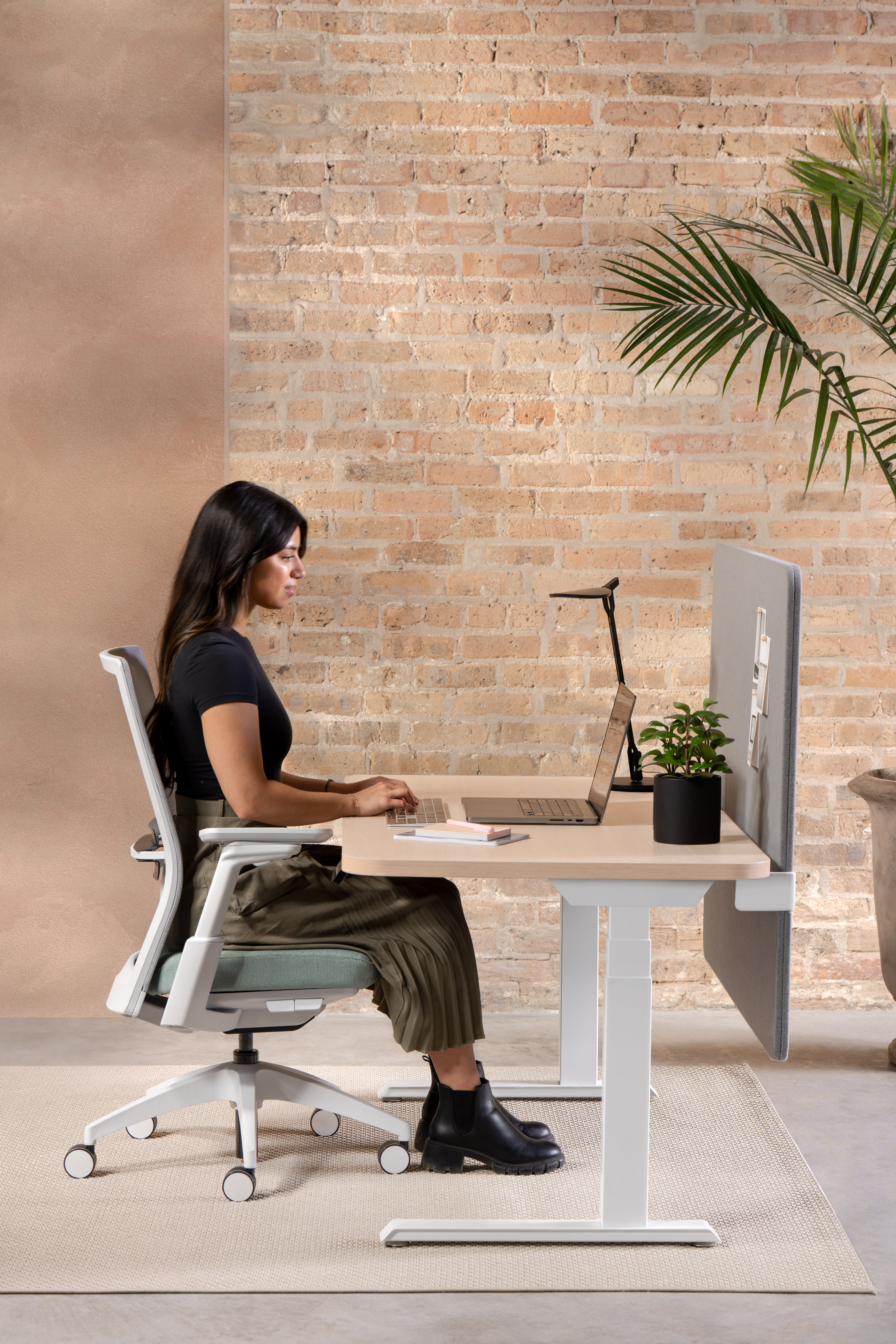
Understanding Ergonomics: The Key to a Healthier Office Chair
Understanding ergonomics is essential for creating a healthier and more comfortable work environment. Ergonomics refers to the science of designing workplace tools and furniture to fit the user, which can significantly reduce the risk of strain injuries and improve productivity. One of the most critical components of an ergonomic workspace is the office chair. A well-designed office chair provides necessary support to the spine, encouraging good posture and reducing the likelihood of discomfort during long working hours. By prioritizing ergonomics in your chair selection, you invest in your health and well-being.
To ensure that your office chair is ergonomic, consider the following key features:
- Adjustability - Look for a chair that allows you to adjust the height, backrest angle, and armrest position for optimal comfort.
- Lumbar Support - A good chair should provide proper support for your lower back, helping to maintain the natural curve of your spine.
- Seat Depth - The seat should be deep enough to support your thighs without restricting circulation.
Counter-Strike is a popular multi-player first-person shooter game that pits two teams against each other: terrorists and counter-terrorists. Players can choose from various weapons and strategies to complete objectives, making teamwork essential for success. For enhancing your gaming setup, consider checking out the Top 10 Desk Accessories for Productivity to create an optimized environment.
How to Choose the Perfect Ergonomic Chair for Your Workspace
Choosing the perfect ergonomic chair for your workspace is vital for maintaining comfort and productivity. With numerous options available, it’s essential to consider factors such as adjustability, support, and material. An ideal ergonomic chair should feature adjustable seat height, backrest inclination, and armrest positioning to cater to your unique body shape and size. Look for chairs that offer lumbar support to aid in maintaining a healthy spine alignment and reduce the risk of back pain during long working hours.
When evaluating ergonomic chairs, here are some essential elements to keep in mind:
- Seat Depth: Ensure the seat is deep enough to support your thighs without putting pressure on the back of your knees.
- Backrest Height: The backrest should fit your back perfectly to support the natural curve of your spine.
- Swivel and Mobility: A chair that swivels will allow you to reach different areas of your workspace without straining.
- Material: Choose breathable fabric or mesh to promote airflow and keep you cool during long hours.
Investing in a high-quality ergonomic chair can significantly enhance your work experience, making your workspace not only comfortable but also healthier.
Are You Sitting Correctly? 5 Ergonomic Tips to Outsmart Your Office Chair
Are you aware of how your sitting posture can significantly impact your overall health and productivity? With many of us spending long hours in front of a computer, it's crucial to ensure that we are sitting correctly. Poor posture can lead to discomfort, chronic pain, and even long-term health issues. To help you outsmart your office chair, we've compiled 5 ergonomic tips that will encourage better posture and enhance your workspace experience.
- Adjust your chair height: Make sure your feet are flat on the ground and your knees are at a 90-degree angle. Your chair should be adjusted so that your thighs are parallel to the floor.
- Support your lower back: Use a lumbar roll or an ergonomic chair that provides proper support to your lower back, helping maintain the natural curve of your spine.
- Position your monitor correctly: Your computer screen should be at eye level, about an arm's length away, to minimize neck strain.
- Utilize a footrest: If your feet don’t reach the ground comfortably, using a footrest can enhance your posture and reduce pressure on your back.
- Take regular breaks: Don’t forget to stand up, stretch, and walk around every hour to relieve tension and improve circulation.