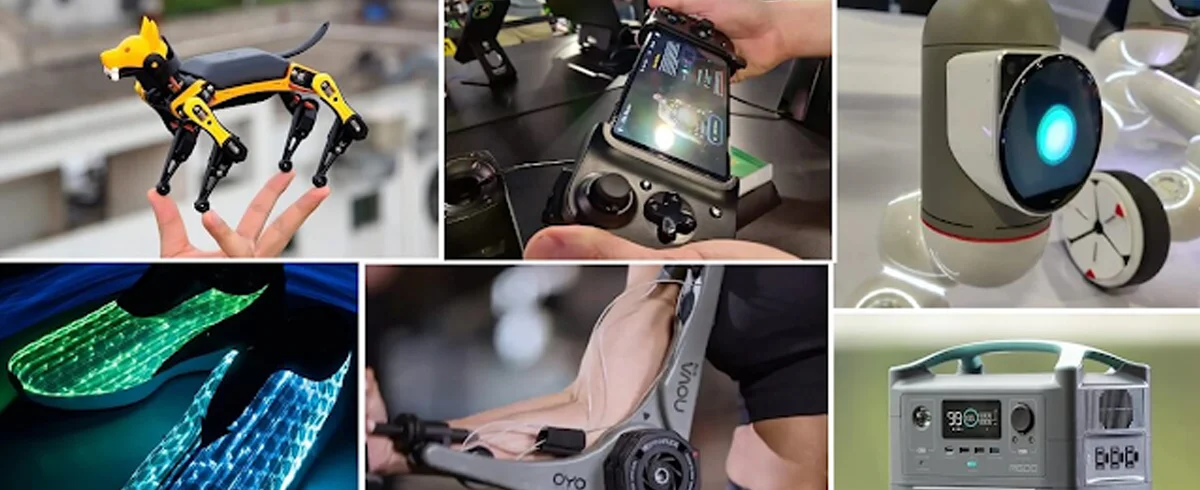
How AI-Powered Gadgets are Redefining Convenience in Our Daily Lives
In today’s fast-paced world, AI-powered gadgets have emerged as game-changers, seamlessly integrating into our daily routines and enhancing our overall convenience. From smart assistants like Amazon Alexa and Google Assistant to intelligent home devices such as smart thermostats and security cameras, these technologies allow us to control various aspects of our lives with just our voice or a tap on our smartphones. For instance, a smart thermostat can learn your preferences over time and automatically adjust the temperature to create the perfect environment, saving energy and ensuring comfort without requiring any manual adjustments.
Moreover, AI-powered gadgets are not limited to home automation; they are revolutionizing personal health and wellness as well. Wearable devices, such as fitness trackers and smartwatches, utilize AI algorithms to monitor vital signs, track physical activity, and even provide personalized fitness coaching. This wealth of information empowers individuals to make informed decisions about their health, ultimately leading to improved lifestyles. As we continue to embrace the possibilities offered by these innovative gadgets, it's clear that AI technology is redefining convenience in a manner that was once thought to be unimaginable.
Counter-Strike is a popular tactical first-person shooter that has become a staple in competitive gaming. Players engage in team-based gameplay, where they can choose to play as terrorists or counter-terrorists. The game emphasizes strategy, teamwork, and skill, making it a thrilling experience for both players and spectators. For gamers on the move, investing in the Top 10 Travel USB C Hubs can enhance their gaming setup wherever they go.
The Future of Smart Technology: Are We Ready for Gadgets that Think for Themselves?
The rapid advancement of smart technology is reshaping our daily lives, driving us towards a future filled with gadgets that promise to think for themselves. From smart home devices like thermostats and security systems to autonomous vehicles, these innovations are designed to enhance convenience and efficiency. As we embrace these technologies, it raises the question: are we truly ready for a future where machines can make decisions without human intervention? This question involves not just technological readiness but also ethical considerations about the role of AI in our lives.
In preparing for this inevitable shift, we must consider various factors such as privacy, security, and the potential job displacement caused by automation. Data governance will become increasingly important as more devices collect and analyze personal information. Furthermore, public trust in these technologies will be crucial; ensuring transparent processes and accountability will be essential to foster acceptance. As we stand at the cusp of this technological revolution, it is vital to ask ourselves how much control we are willing to relinquish to our devices and whether society is prepared for the consequences of such a shift.
What Ethical Considerations Should We Keep in Mind with Intelligent Devices?
As intelligent devices continue to integrate into our daily lives, it is crucial to consider the ethical considerations surrounding their use. One major concern is privacy; these devices often collect vast amounts of personal data. Users should be aware of how their information is being utilized and ensure that they have the ability to consent to data collection. In addition, developers must prioritize transparent communication regarding data practices, allowing users to feel secure in their interactions with intelligent technology.
Another important aspect to consider is bias in artificial intelligence algorithms. If the data used to train these devices contains biases, the resultant behaviors and decisions made by these devices may also reflect those biases. To mitigate this risk, stakeholders must commit to inclusive data collection practices and regularly evaluate AI systems for fairness. Moreover, as intelligent devices become more autonomous, accountability becomes a pressing issue; we must establish ethical frameworks that clarify responsibility when harm occurs due to a malfunction or a misguided decision made by the technology.