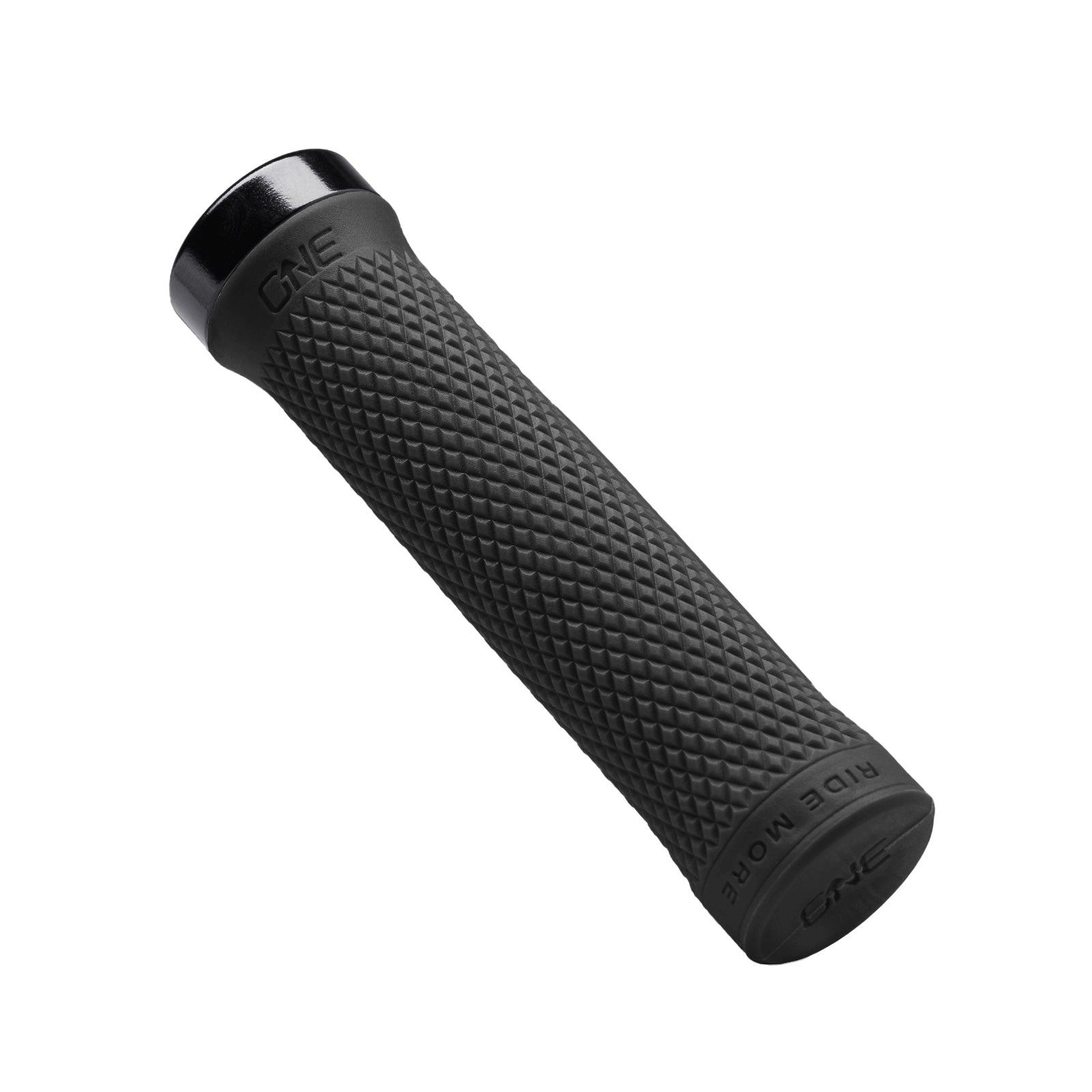
The Science Behind Grip: How the Right Hold Can Transform Your Performance
The grip is a fundamental aspect of performance in various activities, ranging from sports to everyday tasks. Understanding the science behind grip can lead to significant improvements in efficiency and effectiveness. Research has demonstrated that different grip styles can influence muscle activation and overall power output. For instance, an overhand grip may engage the back muscles more effectively, while an underhand grip might enhance bicep activation. By evaluating your grip technique, you can discover the ideal hold for your specific activity, leading to better results and reduced risk of injury.
Moreover, the right hold can play a transformative role in fine motor skills and hand-eye coordination. Athletes, musicians, and even gamers rely heavily on precise grip techniques to enhance their performance. Incorporating grip strength training into your routine can further develop dexterity and control, making it easier to execute complex movements. For example,
- Rock climbers benefit from a strong grip to hold onto challenging routes,
- Musicians achieve greater expression and precision in their playing,
- And athletes improve their overall performance metrics.
Counter-Strike is a highly popular tactical first-person shooter game that pits teams of terrorists against counter-terrorists in various gameplay modes. Players engage in intense battles, requiring teamwork, strategy, and precise aiming skills. For those looking to enhance their mobile gaming experience, check out the Top 10 iphone gaming accessories to get the best gear. The game's competitive nature has led to a thriving esports scene, with tournaments held worldwide.
Grip Styles Explained: Finding the Best Fit for Your Game
When it comes to improving your performance in sports and activities that require precise control, understanding different grip styles is essential. Each grip style serves a unique purpose, catering to various hand shapes and size preferences. The most common grip styles include the overhand grip, underhand grip, and neutral grip. These grips affect not only your control and maneuverability but also your energy efficiency and overall effectiveness in your game. Experimenting with these grips during practice can help identify which style feels most comfortable and provides the best results.
To choose the right grip style, consider factors such as your personal comfort, the type of equipment you are using, and the specific demands of your sport. For instance, the overhand grip often allows for greater force and is popular in sports like baseball and tennis, while the underhand grip can offer more finesse and better control for activities like bowling or rock climbing. Neutral grips are favored in weightlifting for promoting balanced strength across muscle groups. By assessing your needs and trying different styles, you can find the best fit for your game, enhancing both your performance and enjoyment.
Common Grip Mistakes: Are You Holding Back Your Potential?
When it comes to improving your performance in sports or fitness activities, the grip is often an overlooked factor that can significantly impact your potential. Many athletes make common grip mistakes that hold them back from achieving their maximum strength and efficiency. For instance, beginners may grip too tightly, leading to unnecessary tension and fatigue. On the other hand, not gripping firmly enough can result in a lack of control and stability during lifts or movements. Understanding the right grip strength and technique is essential for optimizing your workouts.
Moreover, the common grip mistakes extend to various forms of exercise, whether you're lifting weights, practicing martial arts, or even playing racquet sports. It's crucial to evaluate your grip positioning; for example, using an improper grip width can alter your biomechanics, affecting your overall performance. To assess and improve your grip, consider keeping a journal to note your grip style during workouts or seeking advice from a coach. By addressing these issues, you can unleash your full potential and enhance your performance in your chosen activities.