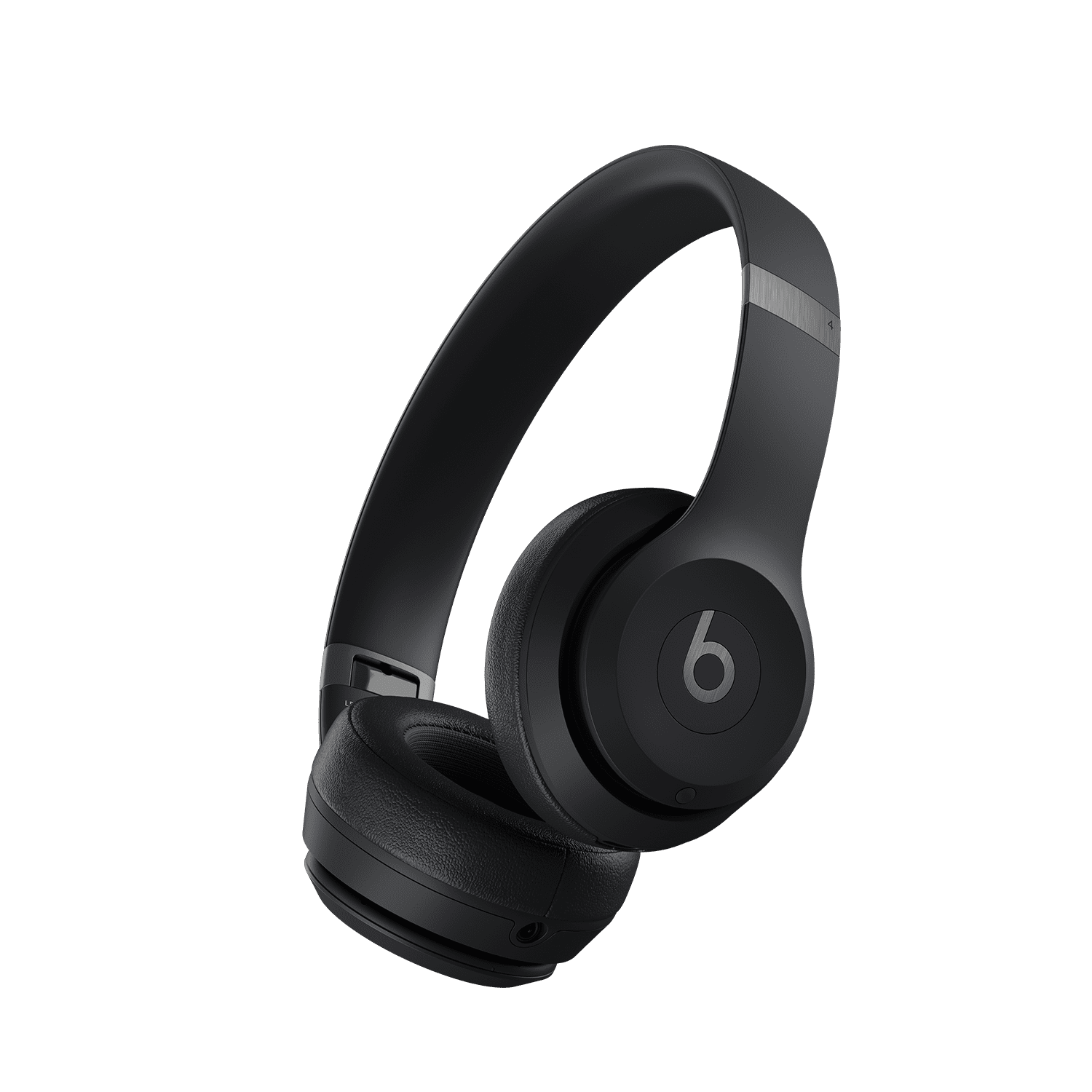
How Do Sound-Sensitive Headphones Work? Exploring the Science Behind Hearing
Sound-sensitive headphones utilize a combination of advanced technologies to enhance the listening experience and improve hearing for users who may struggle with auditory processing. At the heart of these devices are specialized microphones that continuously monitor ambient noise levels. When these headphones detect loud or disruptive sounds, they activate noise-cancellation features, allowing the user to focus on their desired audio content. This technology not only helps in reducing distractions but also protects the user's hearing by minimizing exposure to sudden loud noises.
Additionally, sound-sensitive headphones often incorporate adaptive sound algorithms that adjust to the user's environment in real time. For instance, if the headphones are worn in a bustling café, the technology can soften background chatter while enhancing the clarity of a podcast or music playback. This dynamic adjustment is grounded in principles of psychoacoustics, which studies how we perceive sound. By leveraging these principles, manufacturers create headphones that not only cater to individual preferences but also ensure a more comfortable and enjoyable listening experience for all users.
Counter-Strike is a highly popular first-person shooter game that has captivated millions of players worldwide. With its tactical gameplay and focus on teamwork, players can engage in intense matches as either terrorists or counter-terrorists. For gamers seeking an enhanced experience, it's important to have quality sound equipment. Check out the Top 10 Earbuds with Long Battery Life to find the perfect gear to immerse yourself in the action.
The Impact of Sound Sensitivity on Audio Experience: What You Need to Know
Sound sensitivity, often referred to as hyperacusis, can significantly impact an individual's audio experience. This condition causes a heightened perception of sound, making everyday noises feel overwhelming and uncomfortable. People with sound sensitivity may find themselves avoiding social situations or specific environments where loud noises are prevalent, such as concerts, restaurants, or public transportation. Understanding the nuances of sound sensitivity is essential for those who experience it, as well as for their friends and family, to foster a more inclusive environment that caters to different auditory needs.
When addressing the impact of sound sensitivity, it's important to recognize the role of sound design in various settings. For instance, quiet zones in offices, the use of sound-absorbing materials in public spaces, and the implementation of adaptive audio technologies can help create a more comfortable auditory environment. By prioritizing these adjustments, we can enhance the audio experience for individuals with sound sensitivity, allowing them to enjoy music, conversations, and other soundscapes without discomfort.
Can Headphones Really 'Hear' You? Demystifying the Technology Behind Sound Sensitivity
When exploring the question, Can headphones really 'hear' you?, it's important to first understand the technology behind sound sensitivity. Many modern headphones come equipped with advanced features such as microphones and voice recognition systems. These components utilize noise-canceling technology to filter out background sounds, allowing them to focus on the audio they are meant to capture. For example, when using voice-activated commands, the microphone analyzes your speech patterns and converts them into digital signals, enabling seamless interaction with devices.
Moreover, some headphones incorporate smart technology that enhances their sound sensitivity. This includes adaptive sound control, which adjusts the audio output based on your environment. For instance, while you may be in a noisy setting, these headphones can automatically increase the volume or clarity of the sound you're listening to, allowing for an improved auditory experience. Thus, while headphones themselves don’t 'hear' in the traditional sense, their technological capabilities give the impression of advanced sound sensitivity that contributes to user engagement and satisfaction.