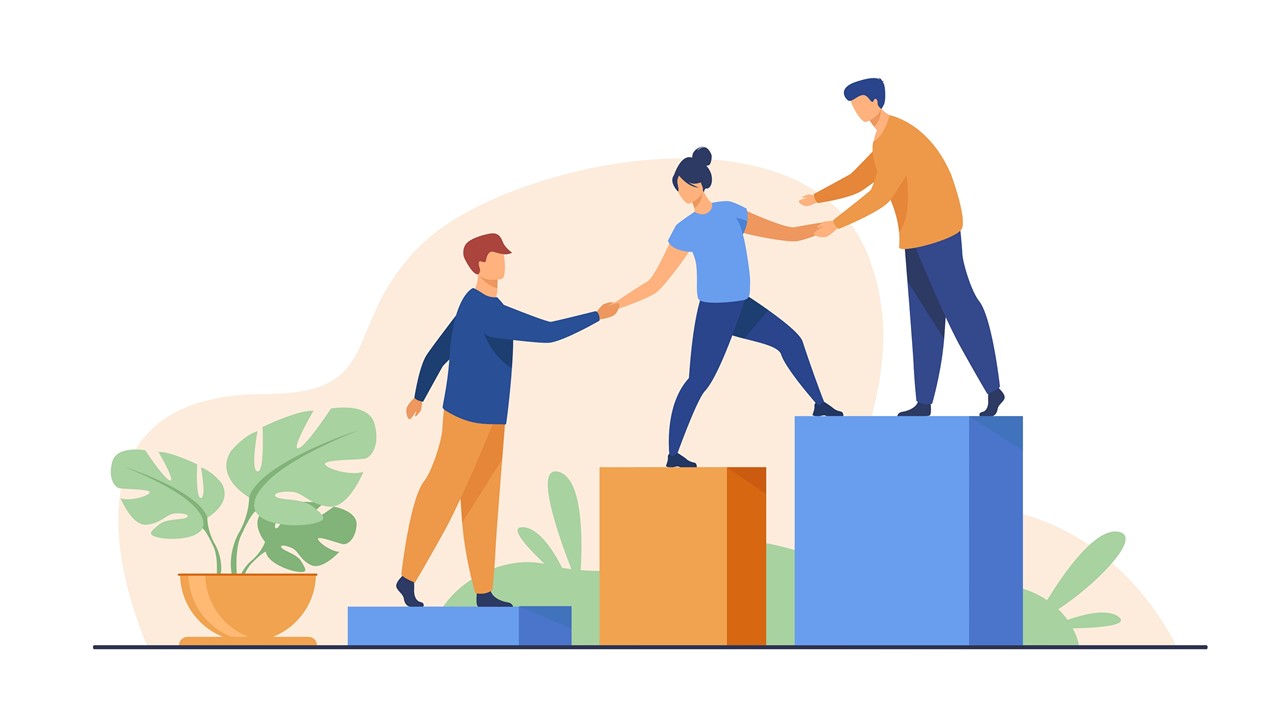
Understanding the Importance of Supportive Relationships in Personal Growth
Supportive relationships play a crucial role in personal growth, acting as a catalyst that fosters our emotional and psychological development. In a world where challenges and uncertainties are constant, having someone to rely on can significantly enhance our resilience. According to research, nurturing relationships can lead to improved mental health, greater life satisfaction, and increased motivation. When we surround ourselves with individuals who encourage and inspire us, we are more likely to take risks and pursue our goals. This support system helps us navigate the ups and downs of life, ultimately shaping who we become.
Moreover, supportive relationships can provide constructive feedback that is essential for self-improvement. Engaging with friends, family, or mentors allows us to gain new perspectives on our behavior and decisions. Constructive criticism can illuminate blind spots and push us out of our comfort zones. As we cultivate connections with those who have our best interests at heart, we not only learn from their insights but also foster a sense of accountability. Therefore, investing time and effort into building and maintaining supportive relationships is key to unlocking our full potential.
Counter-Strike is a popular tactical first-person shooter that has captivated gamers around the world since its release. Players are divided into two teams: terrorists and counter-terrorists, each with specific objectives to accomplish. The game is known for its competitive nature and strategic gameplay, making it a staple in esports. For players looking to improve their gaming experience, check out the Top 10 apple vision pro head straps for enhanced comfort and performance during long gaming sessions.
How to Cultivate a Supportive Network: Tips and Strategies
Building a supportive network is essential for personal and professional growth. Start by identifying key individuals in your life who inspire and motivate you. These can include mentors, colleagues, friends, or family members. To cultivate this network, consider the following strategies:
- Attend Networking Events: Participating in workshops, seminars, or local meetups allows you to meet like-minded individuals and expand your circle.
- Leverage Social Media: Use platforms like LinkedIn or Twitter to connect with industry leaders and engage in meaningful conversations.
- Offer Help: Be willing to support others in your network. A reciprocal relationship is key to strengthening connections.
Once you've established your network, nurturing these relationships is crucial. Regular communication can keep your connections alive and vibrant. Utilize these effective practices:
- Schedule Regular Check-ins: Set reminders to reach out to your contacts and see how they are doing.
- Share Valuable Resources: If you come across articles, podcasts, or tools that may benefit your connections, share them!
- Celebrate Achievements: Acknowledge milestones and successes of those in your network to show your support and strengthen bonds.
Is Seeking Support a Sign of Weakness or Strength? Let's Discuss.
Many people struggle with the notion that seeking support is a sign of weakness. However, this perspective is increasingly being challenged in today’s society. In reality, reaching out for help can be seen as a profound act of self-awareness and courage. It takes significant strength to acknowledge one's limitations, confront challenges, and actively pursue solutions. Those who seek support often build resilience and foster deeper connections with others, proving that vulnerability is a path to empowerment rather than a weakness.
On the other hand, embracing the idea that seeking support is a cornerstone of strength can significantly enhance mental health and well-being. Studies show that individuals who engage in support systems—whether through friends, family, or professional services—report higher levels of satisfaction and lower instances of anxiety and depression. Ultimately, discussing the duality of support reveals a vital truth: strength lies not in handling everything alone, but in recognizing when to lean on others for assistance on the journey of life.