Understanding USB-C: How It Transformed Data Transfer and Charging
USB-C has become a pivotal advancement in the realm of connectivity, revolutionizing how we handle data transfer and charging. Unlike its predecessors, USB-C features a universal, reversible design that simplifies the connection process. With transfer speeds reaching up to 40 Gbps through Thunderbolt 3, it allows for seamless data transfer that supports everything from smartphones to laptops. This versatility has made USB-C not just a standard, but a necessity in various devices, streamlining workflows and enhancing user experiences.
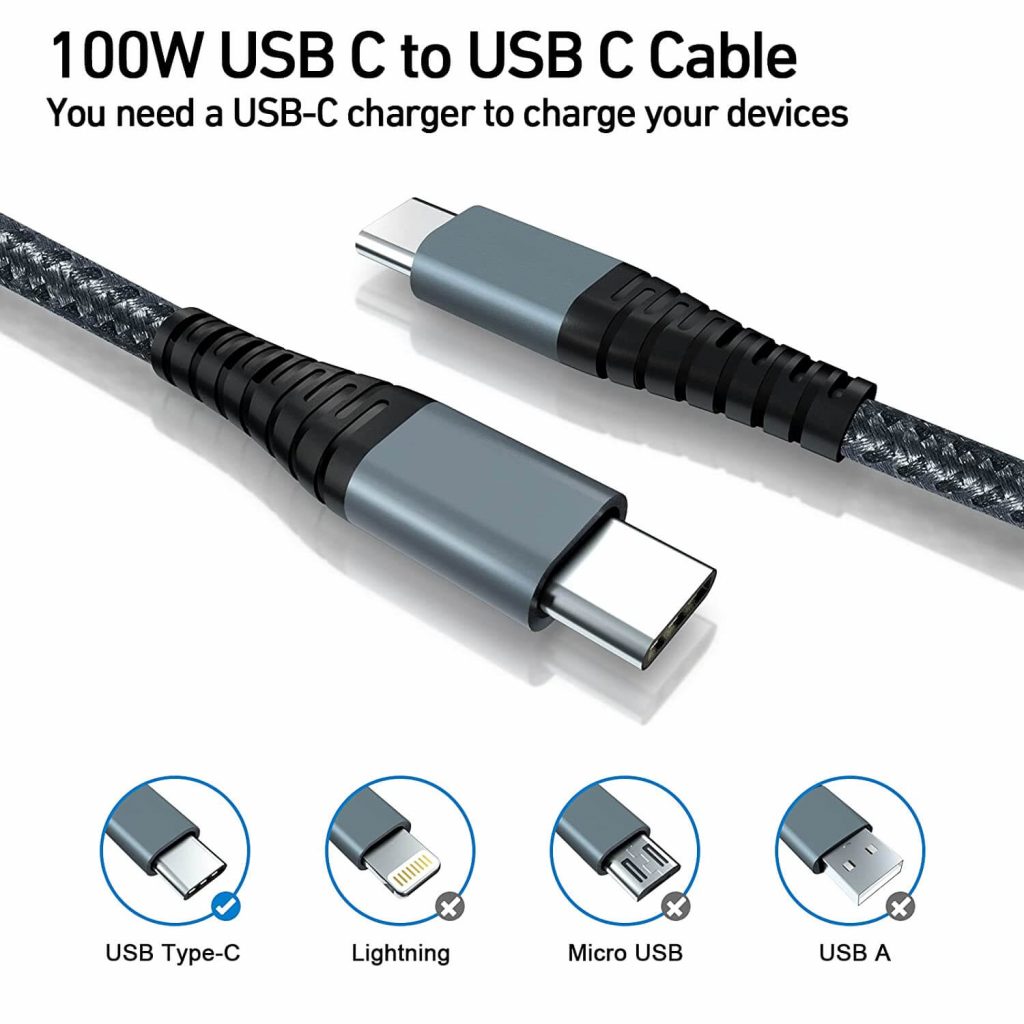
In addition to its remarkable data transfer capabilities, USB-C has transformed charging technology as well. It supports up to 100W of power delivery, enabling faster charging for a wide range of devices, from tablets to laptops. This feature, coupled with its ability to serve multiple functions through a single cable, has led to a significant reduction in cable clutter and increased convenience for users. As more manufacturers adopt USB-C, its role in shaping the future of connectivity and charging continues to expand.
Counter-Strike is a highly popular multiplayer first-person shooter game that pits two teams against each other: the Terrorists and the Counter-Terrorists. Players can choose different roles, strategize their tactics, and utilize a wide variety of weapons. The game has evolved over the years, becoming a staple in the esports community. For those looking to enhance their gaming setup, consider checking out the Top 10 MacBook Accessories for Office to improve your performance and comfort during long play sessions.
The Hidden Features of USB-C: What You Didn't Know About Your Cables
While most users associate USB-C with faster charging and data transfer speeds, there are hidden features that can significantly enhance your tech experience. For instance, did you know that USB-C ports are capable of delivering Power Delivery (PD) up to 100W? This means that not only can they charge your smartphone quickly, but they can also power laptops and other larger devices. Additionally, USB-C supports Alternate Modes which allow the same cable to transmit video signals. You can connect your device to an external monitor or even a VR headset without needing a separate video connection. This versatility makes USB-C a game-changer in the world of connectivity.
Another remarkable feature of USB-C is its capacity for bi-directional communication. Unlike previous USB iterations, USB-C cables can communicate in either direction, allowing devices to share power and data seamlessly. This means you can use your laptop to charge your smartphone, or connect two laptops directly to transfer files at high speeds. Additionally, with the advent of USB-C hubs, you can expand the number of ports available to you, making it easier to connect multiple peripherals like keyboards, mice, and external drives. Understanding these hidden features can help you maximize the potential of your devices and streamline your tech setup.
USB-C vs. Other Connectors: Which One is Right for You?
When it comes to choosing connectors for your devices, the USB-C standard has rapidly gained popularity due to its versatility and efficiency. Unlike its predecessors, USB-A and USB-B, USB-C supports faster data transfer rates and power delivery of up to 100 watts, making it suitable for charging a wide range of devices from smartphones to laptops. While additional connectors like Lightning and Micro-USB offer specific benefits for certain devices, none can match the all-in-one functionality that USB-C provides. For instance, many modern smartphones, tablets, and laptops are now equipped with USB-C ports, streamlining the user experience and reducing the number of cables and adapters needed.
However, the choice between USB-C and other connectors ultimately depends on your specific needs. If you frequently switch between different devices, you may find USB-C to be the most efficient option, as it is increasingly becoming the universal standard. On the other hand, if you own older devices that still rely on Micro-USB or proprietary connectors like Lightning, it may take some time to transition fully to USB-C. To help you make an informed decision, consider factors such as device compatibility, charging speed, and data transfer requirements. Ultimately, understanding the advantages and limitations of each connector will guide you in determining which option is right for you.