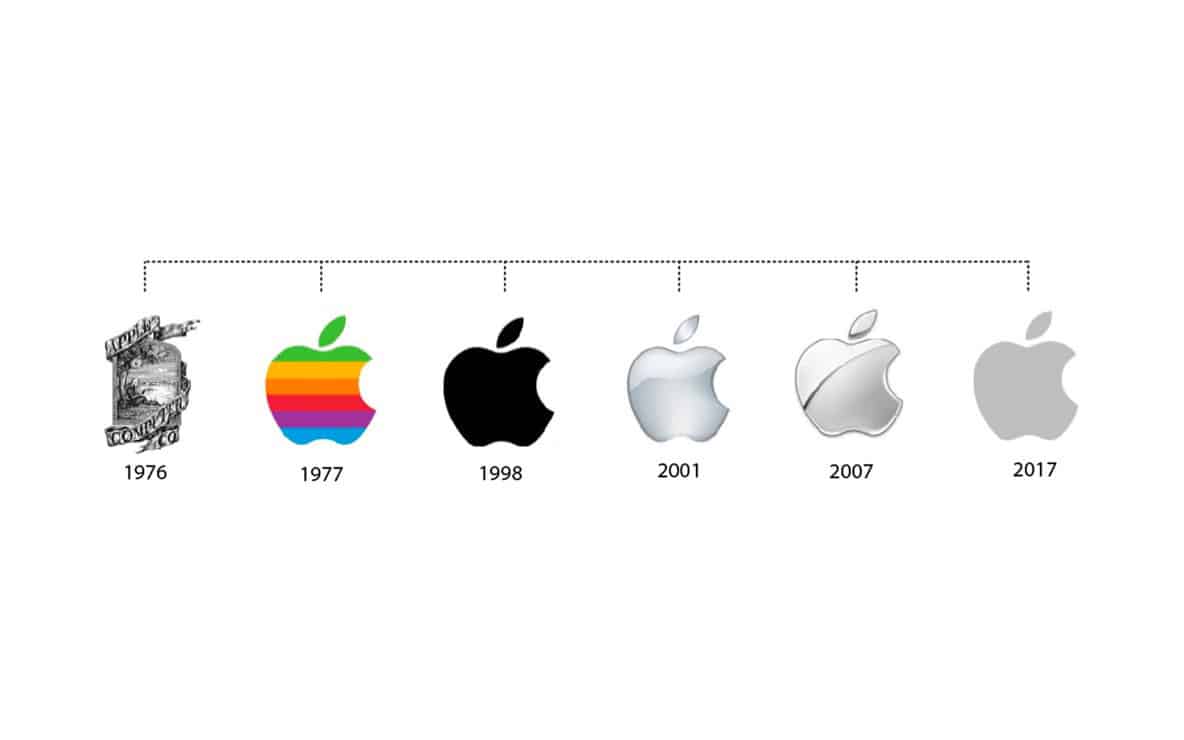
The Evolution of Apple: From Orchard to Innovation Giant
The story of Apple Inc. is one of remarkable transformation, illustrating the evolution from a humble orchard to an innovative technology giant. Founded in 1976 by Steve Jobs, Steve Wozniak, and Ronald Wayne, Apple initially focused on creating personal computers. The introduction of the Apple I and later the Apple II marked pioneering steps in the evolution of personal computing. Over the decades, the company adapted to changing technology and consumer needs, leading to groundbreaking products such as the iPod, iPhone, and iPad. Each innovation not only reshaped the electronics industry but also established Apple as a dominant player in the global market.
As technology advanced, Apple continued to evolve its brand and product offerings. The launch of key software platforms like iOS and macOS, alongside the App Store, created an ecosystem that fostered creativity and productivity. Apple's commitment to design and user experience set it apart from competitors, making it a household name around the world. Today, Apple stands as a symbol of innovation, consistently pushing boundaries and redefining the standards of what technology can achieve. This evolution from a simple fruit company to a tech powerhouse is a testament to its strategic vision and relentless pursuit of excellence.
Counter-Strike is a popular tactical first-person shooter that emphasizes teamwork, strategy, and skill. Players can choose between two teams, Terrorists and Counter-Terrorists, and engage in various game modes. For those looking for the best accessories for their gaming gear, check out the Top 10 apple vision pro cases to enhance your gaming experience.
How Apple Products Set Trends in Technology and Design
Since the launch of the first iPhone in 2007, Apple products have consistently set trends in both technology and design. Their focus on sleek aesthetics combined with user-friendly interfaces has made them immensely popular across various demographics. For instance, the minimalist design approach initiated with the iMac has influenced countless tech brands, pushing them towards clean lines and functional beauty. This paradigm shift in design philosophy not only highlights Apple's prowess but also emphasizes the brand's commitment to innovation, inspiring other companies to adopt similar practices in their product development.
Moreover, Apple's dedication to user experience has revolutionized how we interact with technology. Features like Face ID and the intuitive iOS ecosystem have set new standards that many competitors strive to emulate. With innovations constantly evolving, Apple products not only meet existing consumer demands but also anticipate future needs, urging the tech industry to rethink their approaches to design and functionality. As a result, Apple's influence continues to resonate, making it a beacon of technological advancement and stylish design.
What Makes Apple a Cultural Icon Beyond Its Technology?
Apple has transcended its role as a technology company to become a profound cultural icon through its innovative approach to design, branding, and consumer experience. The company's commitment to elegance and simplicity is not just limited to its products—it's reflected across its marketing strategies, retail environments, and customer service. Apple’s ability to create a lifestyle around its products has fostered a community of loyal users who view the brand as an extension of themselves. This phenomenon is often likened to a cult following, where the brand becomes a symbol of creativity and individuality.
Moreover, Apple's influence extends into various aspects of modern life, from art and music to education and business. The introduction of the iPod and iTunes revolutionized the music industry, while the iPhone defined communication in the smartphone age. Events such as the annual Apple keynote have become cultural milestones, eagerly anticipated and widely discussed across media. The brand’s emphasis on innovation and design has inspired countless other industries, making Apple not just a leader in technology, but a relevant force in shaping cultural trends and consumer values.