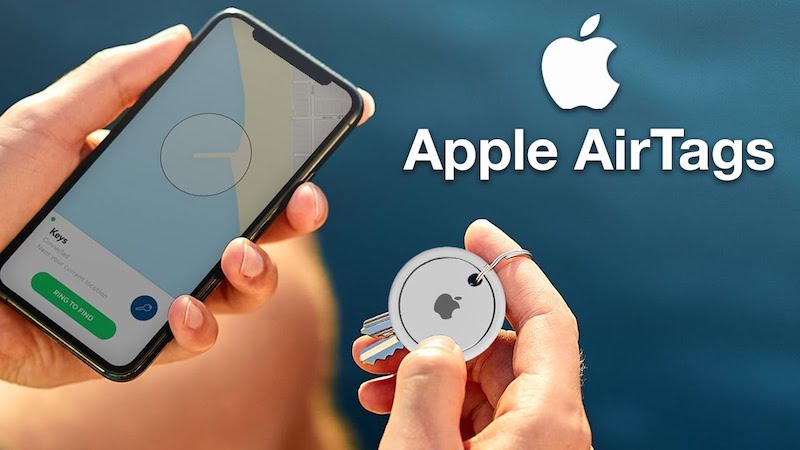
The Battle of Convenience: How AirTags Are Winning Over Your Keys
In today's fast-paced world, convenience is a key factor that drives consumer choices, and Apple's AirTags have emerged as a frontrunner in the battle for our everyday essentials such as keys. No longer do we have to sift through bags or turn our homes upside down searching for misplaced items. With a simple tap on your smartphone, the attached AirTag employs precision tracking technology to help you locate your keys with ease. This seamless integration of software and hardware makes it clear why so many are opting for this tech over traditional keyrings.
The success of AirTags isn't just about finding lost keys; it's about the overall user experience. With features like Precision Finding, which uses the ultra-wideband technology of newer iPhones, users can accurately hone in on their keys with visual and haptic feedback. Furthermore, the Find My network allows for broader tracking options, using a community of Apple device users to help locate your items. As convenience becomes paramount, it’s no wonder that the allure of AirTags is making them the go-to solution for key management.
Counter Strike is a highly popular first-person shooter game that has captivated millions of players around the world. Known for its competitive gameplay and tactical depth, it pits teams of terrorists against counter-terrorists in various objective-based scenarios. Players can improve their skills over time, leading to a vibrant community that thrives on competition. Many gamers also enhance their gaming setup with various accessories. For example, you can explore the Top 10 airtag accessories to optimize your gaming experience.
Unlocking the Secret: Why Your Keys Might Be Feeling Left Out
Have you ever noticed that your keys seem to be getting less attention lately? In a world dominated by smartphones and digital convenience, keys may feel like relics of a bygone era. This shift is not just about technology; it’s also about how our lifestyle choices have evolved. With the rise of keyless entry systems and smart home devices, many of us are finding ourselves reaching for our keys less frequently. This leads to a feeling of neglect for these small but essential items that once played a central role in our daily routines.
Moreover, the emotional connection we have with our keys can diminish over time. Perhaps you have a colorful keychain that represents a special memory or a gorgeous house key that brings back fond thoughts of home. When we start relying on digital alternatives, these tangible mementos can end up stashed away and forgotten. To reignite that connection, consider taking the time to appreciate your keys once again. Display them proudly or invest in a unique key holder that celebrates their importance in your life.
Can Your Keys Compete with AirTags? Exploring the Future of Key Tracking
In the rapidly evolving world of tracking technology, traditional keychain systems are under increasing pressure to adapt. Can your keys compete with AirTags? As Apple’s innovative tracking device gains popularity, consumers are left wondering if conventional methods of keeping track of their keys can stand the test of time. AirTags utilize Bluetooth technology, allowing users to pinpoint the exact location of their lost items using a smartphone app. This level of precision and convenience raises questions about the effectiveness of traditional key management solutions, which often rely on basic features like color coding or physical keychains.
Moreover, as the future of key tracking unfolds, it's essential to explore the potential integrations of technology with everyday objects. With advancements in IoT (Internet of Things), it’s conceivable that smart keys could emerge, offering features like remote locking and unlocking or real-time monitoring right from a mobile device. As we compare these advancements to the simplicity of standard keys, we recognize that while they may initially hold sentimental value, the practical benefits of smart tracking devices cannot be ignored. Are consumers ready to make the switch? Only time will tell.