Choosing Your Payment Method: A Quick Explainer
When you're ready to make a purchase online, the payment method you choose can significantly impact your experience. It's not just about convenience; it's also about security, speed, and even potential rewards. Most e-commerce sites offer a variety of options, from traditional credit and debit cards to newer digital wallets and even 'buy now, pay later' services. Understanding the nuances of each can help you make an informed decision. For instance, while a credit card might offer purchase protection and reward points, a debit card directly deducts funds from your bank account, which can be beneficial for budgeting. Consider what factors are most important to you: is it the speed of transaction, the level of security, or the potential for cashback or loyalty points? Your preference will often guide you to the most suitable choice.
Let's dive into some of the most common payment methods and what makes them stand out. Credit and debit cards remain the backbone of online transactions. Credit cards, like Visa or Mastercard, offer a line of credit, often with fraud protection and rewards programs. Debit cards, on the other hand, draw directly from your checking account, offering a straightforward payment option without incurring debt. Beyond these, digital wallets such as PayPal, Apple Pay, and Google Pay are gaining immense popularity. They store your card details securely and allow for faster checkouts, often with enhanced privacy as your card number isn't directly shared with the merchant. Some also offer peer-to-peer payment options, adding another layer of versatility. The key benefit here is often the convenience and added layer of security through tokenization.
See also: Wikipedia: Cryptocurrency — For a general understanding of cryptocurrencies and their underlying technology, essential for grasping crypto casino deposits.
For those looking for more flexible payment solutions, 'buy now, pay later' (BNPL) services like Affirm or Klarna have emerged as strong contenders. These services allow you to split your purchase into several interest-free installments, making larger purchases more manageable. While incredibly convenient for budgeting, it's crucial to understand their terms and conditions to avoid late fees. Another niche but growing option includes cryptocurrencies, though their adoption is still limited to specific merchants. When making your choice, remember to verify the security measures of the platform you're using. Look for SSL certificates (the padlock icon in your browser) and strong encryption protocols.
"The best payment method is the one that offers the right balance of security, convenience, and value for your specific needs."Always prioritize secure transactions to protect your financial information.
Step-by-Step Deposit Guide: Practical Tips for a Smooth Transaction
Navigating the deposit process, whether for an online casino, trading platform, or any other service, can sometimes feel daunting. However, with a clear step-by-step guide and some practical tips, you can ensure a smooth and hassle-free transaction every time. Before you even begin, always verify the accepted payment methods and any minimum/maximum deposit limits. This proactive check saves time and prevents potential frustration. Many platforms offer a variety of options, from traditional bank transfers and credit/debit cards to modern e-wallets and even cryptocurrencies. Choosing the method you're most comfortable and familiar with is often the best first step towards a successful deposit.
Once you've selected your preferred deposit method, the process typically involves a few key stages. Most platforms will guide you through this with on-screen prompts. Here’s a general sequence to expect:
- Login and Navigate: Log into your account and locate the 'Deposit' or 'Cashier' section.
- Choose Method & Amount: Select your payment method and enter the desired deposit amount.
- Provide Details: Depending on the method, you'll enter card details, e-wallet credentials, or bank transfer information.
- Confirm & Verify: Review all details carefully before confirming. You might receive an SMS or email for two-factor authentication.
To ensure your deposit is not just smooth but also secure, consider these practical tips. Firstly, always use a secure and private internet connection – public Wi-Fi networks are generally not recommended for financial transactions. Secondly, keep an eye on any transaction fees that might be incurred by either the platform or your payment provider; these are usually clearly stated upfront. Finally, once your deposit is confirmed, take a moment to verify that the funds have indeed appeared in your account balance. If there are any delays or discrepancies, immediately contact the platform's customer support. They are there to assist you and resolve any issues promptly, ensuring your financial peace of mind.
See also: FTC: What to Know About Cryptocurrency Online Casinos — To inform readers about the regulatory and consumer protection aspects related to using cryptocurrency in online casinos, highlighting potential risks and considerations.
Understanding Deposit Limits and Fees: What You Need to Know
When delving into the world of online financial services, particularly within regulated industries like gaming or investing, understanding deposit limits is paramount. These limits aren't arbitrary; they're often implemented for a combination of regulatory compliance, responsible usage promotion, and fraud prevention. You'll typically encounter three main types: daily, weekly, and monthly limits, each dictating the maximum amount you can deposit within that specific timeframe. Some platforms, including many top crypto casino sites, also impose minimum deposit amounts, meaning you can't fund your account with less than a certain figure. It's crucial to check these figures on the platform's 'Deposits' or 'FAQ' page before attempting to make a transaction, as they can vary significantly between providers and even based on your account's verification level.
Beyond the simple limits, deposit fees can significantly impact your overall experience and the actual amount available for use. While many popular payment methods like debit cards and bank transfers are often fee-free on the deposit side, certain options, particularly e-wallets or international transfers, might incur charges. These fees can be a percentage of your deposit or a fixed amount per transaction. It's not uncommon for a platform to absorb some fees, while others pass them directly to the user. Always scrutinize the payment method details during the deposit process. Look out for a clear breakdown of potential charges before you confirm your transaction. A small fee on each deposit can accumulate quickly, eroding your funds and potentially making a significant difference over time.
See also: Wikipedia: Online Gambling — Provides broad context on the history, legal aspects, and mechanics of online gambling, which crypto casinos are a subset of.
Navigating deposit limits and fees effectively requires proactive research and a clear understanding of your chosen platform's financial policies. Don't assume consistency across different services.
To avoid unwelcome surprises, it's highly recommended to consult the platform's dedicated Deposit Information or Terms and Conditions section. Pay close attention to:
- Accepted Payment Methods: Which options are available and their associated limits.
- Fee Structures: A transparent breakdown of any charges for each method.
- Processing Times: How long it takes for your deposit to reflect in your account.
Troubleshooting Common Deposit Issues: Your Questions Answered
Navigating the occasional hiccup when depositing funds into your account can be frustrating, but rest assured, many common issues have straightforward solutions. Whether you're using a mobile app, online banking, or an ATM, understanding the typical reasons for delays or rejections is the first step toward a quick resolution. From incorrect account numbers to daily deposit limits, a small oversight can often be the root cause. This section aims to equip you with the knowledge to identify and rectify these problems independently, saving you time and the need for immediate customer support. We'll delve into the most frequently encountered scenarios and provide actionable advice to get your funds where they need to be.
One of the most frequent issues encountered involves incorrect or incomplete information. This can range from a misspelled name on a check to an erroneous account number entered during an online transfer. Even a single digit out of place can cause a transaction to be rejected or significantly delayed. Another common culprit is insufficient funds in the source account for transfers, or a check that bounces due to the issuer not having enough money. Furthermore, many financial institutions impose daily or per-transaction deposit limits, especially for new accounts or certain types of deposits like mobile check captures. Exceeding these limits will almost certainly result in your transaction being declined until you adjust the amount or wait for the next processing cycle.
If you find yourself facing a deposit problem, there are several troubleshooting steps you can take. First, double-check all entered information for accuracy against your account details. For physical checks, ensure the endorsement is correct and complete. If using a mobile app, confirm the image quality is clear and all four corners of the check are visible. Consider the following common checks:
- Verify Account Numbers: Are they precisely correct?
- Check Daily Limits: Have you exceeded your institution's deposit caps?
- Review Transaction History: Has a previous attempt already gone through?
- Examine Error Messages: What specific guidance are they providing?
If these steps don't resolve the issue, contacting your financial institution's customer support with the specific error message or details of the problem will be your next best course of action. They can provide insights into system-specific issues or further investigate the transaction's status.
Frequently Asked Questions
What cryptocurrencies can I typically use for deposits at crypto casinos?
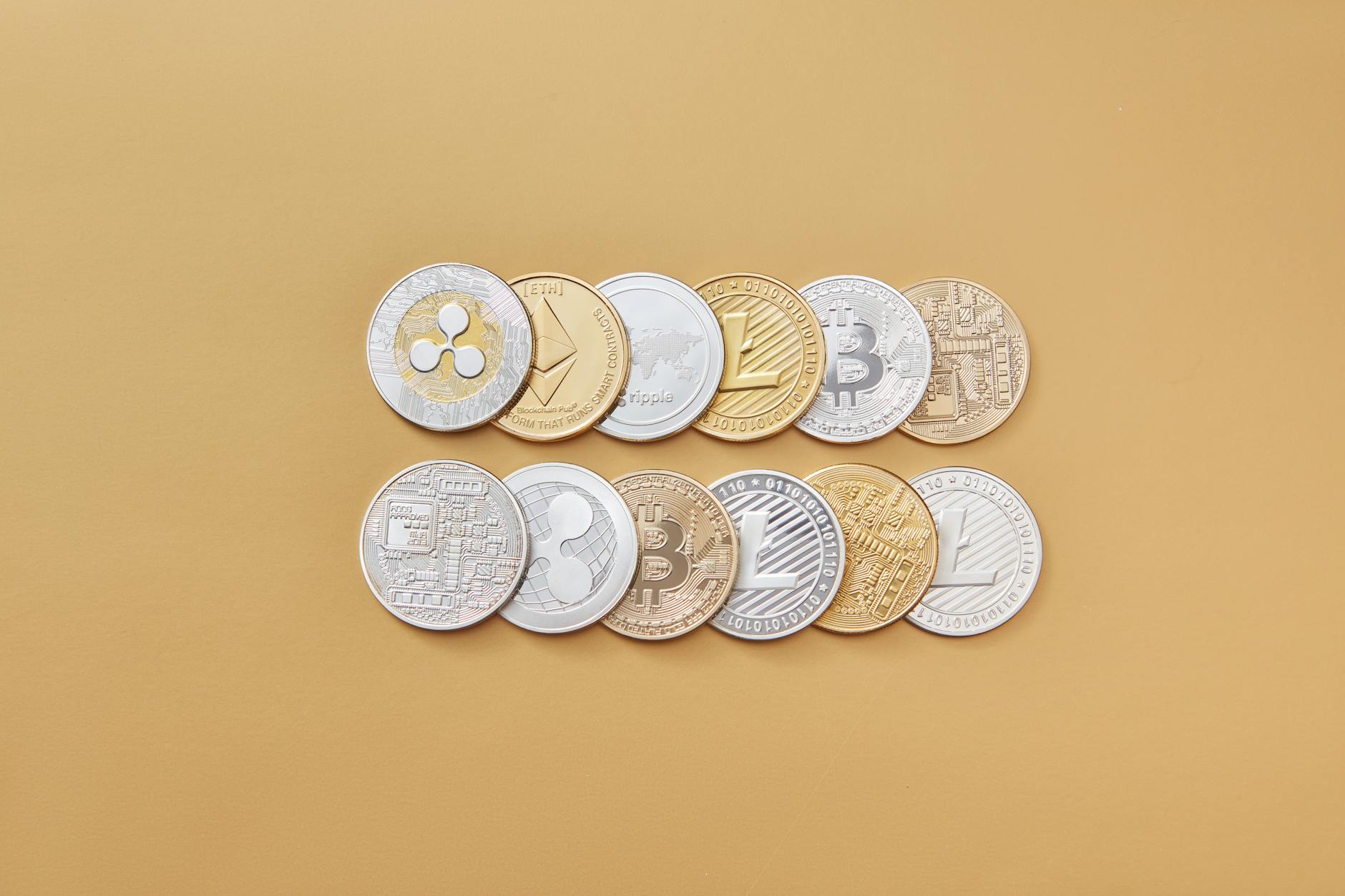
Most crypto casinos support a range of popular cryptocurrencies. You'll commonly find options like Bitcoin (BTC), Ethereum (ETH), Litecoin (LTC), Ripple (XRP), and Tether (USDT). The specific selection can vary between different platforms, so always check the casino's banking or FAQ section for a complete list before attempting a deposit.
Are there any fees associated with depositing crypto at online casinos?
While many crypto casinos don't charge their own deposit fees, you will typically incur standard network transaction fees (gas fees) when sending crypto from your wallet. These fees are paid to the blockchain miners and vary depending on network congestion and the cryptocurrency used. Always verify if the casino has any additional charges.
How long does it usually take for a crypto deposit to appear in my casino account?
The speed of crypto deposits depends on the specific cryptocurrency and its blockchain's confirmation times. Bitcoin transactions, for example, might take several minutes to an hour for sufficient confirmations. Ethereum can be quicker. Generally, once enough network confirmations are reached, your funds will reflect in your casino account almost instantly. Be patient during peak network times.
What should I do if my crypto deposit doesn't show up in my casino account?
First, double-check your transaction history on your crypto wallet to ensure the transaction was successful and the correct casino address was used. Note the transaction ID (hash). If confirmed, wait a bit longer for network confirmations. If it's still missing, contact the casino's customer support immediately, providing them with the transaction ID for investigation. They can trace the funds.