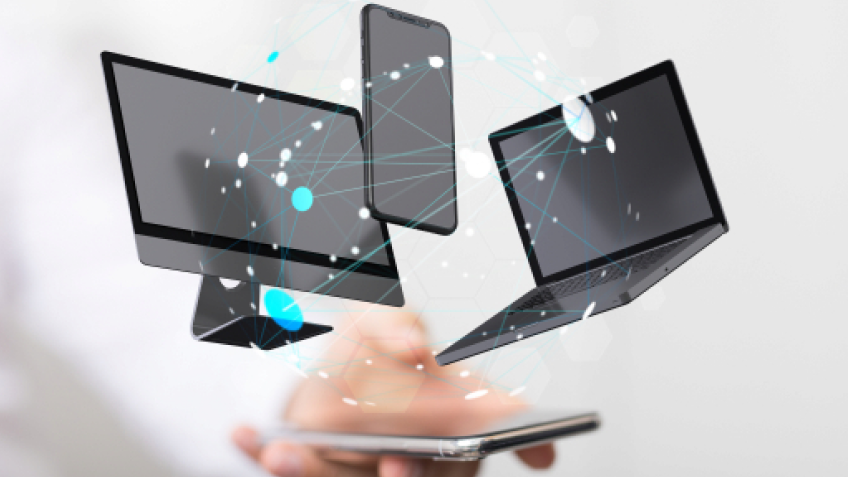
Top 5 Common Compatibility Issues with Gadgets and How to Fix Them
In today's fast-paced technological landscape, compatibility issues between gadgets can be a major headache for users. From software conflicts to hardware limitations, these problems can hinder optimal usage and lead to frustration. Here are the top 5 common compatibility issues people face:
- Operating System Mismatches: Many applications and devices are designed to work with specific operating systems. If your gadget runs on an outdated or unsupported OS, you may encounter problems accessing features or updates.
- Outdated Drivers: Hardware components require the latest drivers to function properly. If drivers are outdated, users may experience connectivity or performance issues.
- Connectivity Problems: Gadgets often rely on Bluetooth or Wi-Fi connections, and interference or outdated technology can lead to difficulties in pairing or maintaining a stable connection.
- Format Compatibility: Media files and documents may come in various formats, and not all devices support every format. This can result in issues when trying to transfer or open files.
- Firmware Compatibility: Some devices may require the same firmware version or have restrictions based on region, leading to functionality limitations.
Fortunately, many of these compatibility issues can be resolved with a few straightforward steps. First, always keep your operating system updated by regularly checking for new software releases. Next, ensure that your device drivers are current by visiting the manufacturer's website for updated versions. Additionally, troubleshooting connectivity issues can often be achieved by resetting your gadgets or checking for interference from other devices. If you encounter problems with file formats, consider using file conversion software to make your media compatible with your devices. Finally, always check for firmware updates, as these can significantly enhance device functionality and compatibility.
Counter-Strike is a popular tactical first-person shooter video game series that emphasizes teamwork and strategy. Players can choose to be part of either the terrorist or counter-terrorist team, aiming to complete objectives such as bomb planting or hostage rescue. For those looking to enhance their mobile gaming experience, check out the Top 10 iphone car chargers to ensure your device stays charged during intense gaming sessions.
Are Your Devices Not Syncing? Understanding Compatibility Standards
In today's digital age, device compatibility is more crucial than ever. If your devices are not syncing correctly, it often boils down to the compatibility standards they adhere to. Different operating systems and device manufacturers use various protocols and specifications, which can create barriers to seamless connectivity. For instance, some devices may rely on Bluetooth 5.0 while others function on an older version, limiting their ability to communicate effectively. Understanding these standards is the first step in troubleshooting synchronization issues.
One way to enhance your sync experience is by ensuring all your devices run on compatible software versions. This means keeping both your smartphone and laptop updated to the latest operating systems, as manufacturers frequently release updates that improve functionality and compatibility. Additionally, consider checking the device compatibility documentation for any specific requirements. If you are still experiencing problems, consult customer support or online forums for device-specific solutions, which can often provide insights into overcoming these hurdles.
What to Consider When Buying New Gadgets: Compatibility FAQs
When considering a new gadget, one of the first questions that arises is compatibility. Before making a purchase, it is essential to understand how well the new device will integrate with your existing technology. For instance, check whether the gadget supports your operating system, whether it's Android, iOS, or Windows. Additionally, consider the Bluetooth and Wi-Fi compatibility, especially for smart devices that rely on wireless connectivity. If the new gadget needs to sync with apps or services already on your devices, make sure they are compatible as well.
Another vital factor to consider is the ecosystem you are invested in. Many manufacturers have their ecosystems, such as Apple’s iCloud, Google’s services, or Amazon’s Alexa. To optimize your experience, look for gadgets that work seamlessly within these environments. It’s also wise to read customer reviews and frequently asked questions about the gadgets you are considering to uncover hidden compatibility issues. Ultimately, taking the time to evaluate these aspects will help ensure that your new gadget fits perfectly into your tech lifestyle.